Which Indian Festivals Actually Have a Gifting Tradition? A Practical Guide for Families and Businesses
Every year, around late August, a particular kind of confusion shows up in office WhatsApp groups across India. Someone asks whether the team should organise something for Onam. Someone else asks if Janmashtami needs a gift exchange. A third person quietly wonders whether Gandhi Jayanti requires anything at all beyond a day off. The truth is that India has so many festivals on the calendar that even people who grew up in the culture are not always sure which ones come with a gifting expectation and which ones do not.
This matters more than it sounds. Gifting at the wrong moment feels performative. Not gifting at a moment when it is genuinely expected feels like an oversight. Getting this right, for a family planning their year or a business building a gifting calendar, starts with an honest map of which festivals actually carry a gifting tradition, which carry a lighter social gesture, and which are simply observances with no expectation of an exchanged gift at all.
Out of India's major festivals, only a handful carry a strong, explicit gifting tradition: Diwali, Raksha Bandhan, Bhaiya Dooj, and Karwa Chauth. Several others carry a light social gesture rather than formal gifting, including Holi, Janmashtami, and Christmas in non-Christian households. National observances like Gandhi Jayanti and Independence Day carry no personal gifting tradition at all, though some businesses use them for corporate gestures.
Why This Confusion Exists in the First Place
India does not have one festival calendar. It has several, overlapping and regional, each with its own gifting customs built over centuries within specific communities. A festival that comes with an unmistakable gifting expectation in a Marwari household in Delhi might carry no such expectation at all in a Tamil household in Chennai. When these traditions meet in a shared urban office or a mixed-community apartment building, the lines blur, and people default to either over-gifting out of caution or under-gifting out of uncertainty.
There is also a more recent layer of confusion created by corporate calendars and social media. Companies now send Happy Onam and Happy Friendship Day messages to entire employee bases regardless of regional or cultural background, which creates an impression that every festival on the calendar carries equal weight. It does not. A national holiday is not automatically a gifting occasion. A regional harvest festival is not automatically something every Indian family celebrates with an exchange of gifts.
Sorting this out properly requires separating three different things that often get treated as one: the cultural or religious significance of a day, the social custom of greeting or acknowledging it, and the specific tradition of exchanging gifts on it. Many festivals have the first two without the third.
"Every Indian festival deserves acknowledgement. Not every Indian festival demands a gift. Knowing the difference is what separates thoughtful gifting from anxious over-gifting."
CharmBox® | Gifting InsightExpert Insight
"We get this question constantly from corporate clients building their annual gifting calendar. They want to know which festivals to plan for and which ones to leave as a simple message. Our advice is always the same. Build your gifting calendar around the four or five festivals with a genuine, widely recognised gifting tradition, and use a warm message or a small team gesture for the rest. Trying to gift at every single festival on the Indian calendar is exhausting, expensive, and dilutes the impact of the gifts that actually matter."
CharmBox® | Gifting Expert, South Delhi
The Honest Breakdown: Festival by Festival
Here is a practical classification of major festivals on the Indian calendar by their actual gifting tradition, not by their cultural or religious significance, which is a separate and equally important thing but not the focus of this guide.
| Festival | Gifting Strength | What People Actually Do |
|---|---|---|
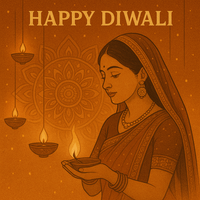
| Diwali | Strong | The biggest gifting occasion in India across personal and corporate life |
| Raksha Bandhan | Strong | Brothers gift sisters in return for the rakhi tied. Near-universal expectation |
| Bhaiya Dooj | Strong | Same sibling gifting structure as Raksha Bandhan, observed at Diwali |
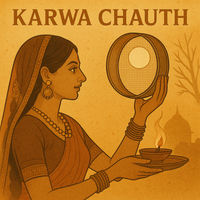
| Karwa Chauth | Strong | Husbands gift wives, often jewellery or sargi-related items, in many North Indian households |
| Holi | Moderate | Sweets and small gestures are common, formal gift exchange is not standard |
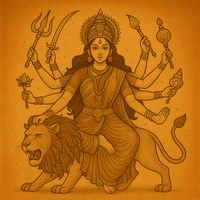
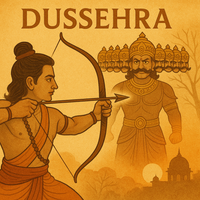
| Navratri / Dussehra | Moderate | Small gifts to children, sagan envelopes in some communities, new clothing common |
| Ganesh Chaturthi | Moderate | Modak and sweet exchanges, strongest in Maharashtra, not a national gifting norm |
| Onam | Moderate, regional | Strong within Kerala and Malayali communities elsewhere, not observed broadly outside that community |
| Christmas | Moderate, growing | Strong gifting tradition in Christian households, increasingly adopted as a year-end corporate gifting moment regardless of religion |
| Janmashtami | Light | Sweets and prasad shared, no expectation of a personal gift exchange |
| Guru Purnima | Light | A token of respect to teachers or mentors is appreciated but not a strict tradition nationwide |
| Teachers' Day | Light | Common in schools as a student gesture to teachers, not a personal or corporate gifting day |
| Friendship Day | Light, social | Mostly a modern, urban, youth-driven gesture rather than a traditional festival |
Days With No Personal Gifting Tradition at All
Some of the most significant days on the Indian calendar carry deep national or religious meaning but no associated tradition of personal gift exchange. Treating these as gifting occasions, while well-intentioned, is not culturally grounded and can come across as a missed read of the occasion.
Independence Day
A day of national pride, not personal gifting. Some businesses use it for a small employee gesture but there is no traditional expectation.
Gandhi Jayanti
A solemn national observance and dry day in many states. Gifting is not part of the tradition and would feel out of step with the occasion's tone.
Govardhan Puja
A religious observance within the Diwali cluster, focused on ritual rather than gift exchange between individuals.
Chhath Puja
A significant fasting and river-worship festival, mainly in Bihar and parts of UP. The focus is ritual observance, not gifting.
This does not mean these days deserve no acknowledgement. A respectful message, a day off, or a brief team mention is appropriate and expected. It simply means a gift is not part of the genuine tradition, and forcing one onto these occasions does not add the warmth that gifting on Diwali or Raksha Bandhan naturally carries.
How Businesses Should Use This Classification
For a company building a corporate gifting calendar, the practical takeaway is to invest gifting budget where the tradition is genuinely strong and use lighter gestures everywhere else. Diwali deserves a real gift. Independence Day deserves a message and perhaps a half day, not a hamper. Spreading the same budget evenly across every festival on the national calendar dilutes the impact of the occasions that actually carry weight.
A well-structured annual calendar for an Indian business typically looks like this: a strong gift at Diwali, a smaller but real gift around Raksha Bandhan if the workforce includes a meaningful number of employees who celebrate it personally within the team's social dynamic, a light gesture or card at Holi and Independence Day, and a respectful acknowledgement with no gift at observances like Gandhi Jayanti. This is covered in more depth in our guide on setting up a corporate gifting program for startups and growing businesses.
For families, the same logic applies at a personal scale. Reserve actual gift-buying energy and budget for Diwali, Raksha Bandhan, and any milestone within your own family's specific traditions, rather than feeling obligated to gift at every single festival that appears on a generic calendar app.
What CharmBox® Observes Across the Festival Calendar
At CharmBox®, order volume data across the festival calendar shows an unmistakable concentration pattern. Diwali alone accounts for the largest single spike in both personal and corporate gifting orders, followed at meaningfully lower volume by Raksha Bandhan. Every other festival on the calendar, including Holi, Onam, Ganesh Chaturthi, and Janmashtami combined, accounts for a smaller share of annual order volume than Diwali alone.
This pattern has remained consistent across the years we have been tracking it, which confirms what the cultural analysis above suggests. Indian gifting behaviour concentrates heavily around a small number of festivals with deep, explicit gifting traditions, while most other festivals are observed through ritual, food, and social gestures rather than formal gift exchange. Businesses and families who plan their gifting calendar around this real behavioural pattern, rather than an assumption that every festival needs equal treatment, consistently report a more sustainable and impactful approach.
For the festivals that do carry a strong gifting tradition, our dedicated guides cover what to give in detail, including Diwali corporate gifting and our complete Indian festival calendar with exact 2026 dates.
Frequently Asked Questions
Which Indian festivals have the strongest gifting tradition?
Diwali has the strongest and most widespread gifting tradition in India across both personal and corporate contexts. Raksha Bandhan, Bhaiya Dooj, and Karwa Chauth also carry strong, explicit gifting expectations within the relationships they centre on, siblings and married couples respectively, even though they are smaller in overall scale than Diwali.
Do I need to give a gift on Independence Day or Gandhi Jayanti?
No. Both are significant national observances but neither carries a personal gifting tradition. A respectful message, flag hoisting participation, or a day off for employees is appropriate. Some businesses choose to give a small token gesture on Independence Day, but it is a corporate choice rather than a cultural expectation.
Is Janmashtami a gifting festival?
Not in the formal sense. Janmashtami is observed with fasting, midnight prayers, and the sharing of sweets and prasad. There is no widespread tradition of exchanging personal gifts on this day, though small acknowledgements to colleagues or neighbours who observe the festival are a kind gesture rather than an obligation.
Should a business gift employees on every festival in the Indian calendar?
No. Most businesses get better results by concentrating gifting budget on the few festivals with a genuine, widely recognised tradition, mainly Diwali, and using lighter gestures such as a message or a small team treat for the rest. Spreading an equal gifting budget across every festival on the calendar dilutes the impact of the ones that actually matter.
Is Onam a gift-giving festival?
Onam carries a meaningful gifting tradition within Kerala and Malayali communities elsewhere in India, often centred on new clothes, the Onasadya feast, and small tokens for children. It is not a gift-giving occasion broadly observed outside that community, so its gifting relevance depends heavily on the specific people involved.
Is Friendship Day a real Indian festival?
Friendship Day is not a traditional Indian festival in the way Diwali or Raksha Bandhan are. It is a modern, largely urban and youth-driven occasion that has gained popularity over the past few decades, often through schools, colleges, and social media. Small gestures like friendship bands or a small gift among close friends are common but there is no deep cultural tradition behind it.
Build a Gifting Calendar That Focuses on What Actually Matters
CharmBox® helps families and businesses across Delhi NCR plan gifting around the festivals that genuinely carry weight. Curated gifts for Diwali, Raksha Bandhan, and every occasion that matters, starting at ₹199.
Explore Gift CollectionsCorporate and bulk orders via our gifting page
India's festival calendar is rich precisely because it holds so many distinct traditions side by side, each meaningful in its own right. Not every one of them, however, asks for a gift. Knowing which days call for a thoughtfully chosen present and which call for a respectful word or a shared sweet is part of navigating Indian culture with genuine fluency, not less generosity. CharmBox® helps families and businesses across India put their gifting energy exactly where it belongs, on the occasions that have always called for it.
Written by Nandan Kumar
Founder of CharmBox® — Delhi's premium gifting brand based in Chhatarpur, South Delhi. 10+ years in design, product, and gifting. Helping individuals and businesses across India gift better.