Indian Festivals & Occasions Guide: Traditions, Meanings, and Modern Celebrations
India is a land where celebrations are woven into everyday life. From grand festivals observed across the country to personal family milestones celebrated at home, Indian occasions reflect deep cultural values, emotional connections, and shared traditions.
Festivals and occasions in India are not limited to rituals or dates on a calendar. They represent gratitude, faith, relationships, and the collective joy of coming together. Over time, the way people celebrate may change, but the essence of these moments remains rooted in togetherness and meaning.
This guide explores the major festivals, cultural celebrations, and life occasions celebrated in India, their significance, and how traditions continue to evolve in modern times.
Major Festivals Celebrated Across India
Some festivals are celebrated across regions, religions, and communities, bringing people together beyond boundaries.
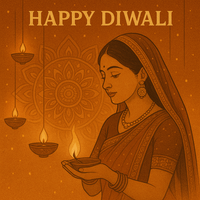
- Diwali, the festival of lights, symbolizes hope, prosperity, and new beginnings. Homes are illuminated with lamps, families gather, and celebrations focus on positivity and renewal.
- Holi, known as the festival of colors, represents joy, forgiveness, and unity. It marks the arrival of spring and encourages people to let go of differences and celebrate freely.
- Raksha Bandhan highlights the bond between siblings. The ritual of tying a rakhi reflects care, responsibility, and lifelong connection.
- Eid is celebrated with prayers, generosity, and community bonding. Sharing food and goodwill lies at the heart of the occasion.
- Christmas emphasizes warmth, reflection, and togetherness. It is often observed with family gatherings, decorations, and thoughtful gestures.
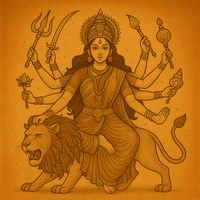
- Navratri and Durga Puja celebrate devotion, strength, and cultural heritage through rituals, music, and collective participation.
These festivals may differ in customs, but they all encourage connection and shared happiness.
Regional & Cultural Festivals of India
India’s cultural diversity is best reflected in its regional festivals. These celebrations are closely tied to local traditions, seasons, and lifestyles.
- Pongal in Tamil Nadu celebrates harvest and gratitude toward nature.
- Baisakhi marks agricultural prosperity and new beginnings in Punjab.
- Onam reflects unity and cultural pride in Kerala.
- Bihu celebrates agricultural cycles in Assam.
- Lohri marks the end of winter in North India.
- Chhath Puja honors nature and the Sun, symbolizing gratitude and discipline.
Regional festivals strengthen cultural identity and preserve traditions passed down through generations.
Family & Life Occasions in India
Beyond festivals, many meaningful moments in Indian life are celebrated through family occasions.
- Birthdays are moments of gratitude and personal growth.
- Anniversaries represent commitment and shared journeys.
- Weddings are among the most significant celebrations, blending rituals, families, and traditions.
- Housewarming ceremonies symbolize new beginnings.
- Naming ceremonies and baby celebrations reflect blessings, hope, and continuity.
These occasions are deeply personal and often celebrated with close family and meaningful gestures rather than scale or display.
Religious & Spiritual Occasions
Spiritual observances play an important role in Indian culture. Pujas, fasts, and religious ceremonies are moments of reflection, gratitude, and devotion.
These occasions focus on intention, faith, and participation rather than extravagance. They remind individuals of values, discipline, and inner connection.
Gifting Traditions During Indian Festivals & Occasions
Traditionally, gifting in India symbolized goodwill, blessings, and shared prosperity. Gifts were expressions of respect and emotional connection rather than material value.
Today, gifting practices have evolved. People prefer thoughtful, practical, and well-presented choices that reflect understanding and intention. The focus has shifted from excess to meaning.
If you are looking for thoughtful gift ideas for every occasion, understanding cultural context helps make choices that feel appropriate and sincere.
Modern Celebrations & Changing Trends
Modern lifestyles have influenced how festivals and occasions are celebrated. Urban settings, changing family structures, and evolving preferences have led to simpler, more intentional celebrations.
Many people now prioritize meaningful participation, curated experiences, and thoughtful gestures over grand displays. Despite these changes, the emotional core of Indian celebrations remains unchanged.
Traditions are evolving, not disappearing.
Conclusion
Indian festivals and occasions reflect the country’s diversity, values, and emotional depth. Whether celebrated through grand gatherings or quiet family moments, these occasions strengthen bonds and create lasting memories.
Celebrations may change with time, but their purpose remains the same—to connect, to express gratitude, and to share joy.
At CharmBox, we believe celebrations are not just events—they are expressions of emotion and connection.
Frequently Asked Questions
Q. How many festivals are celebrated in India?
India celebrates hundreds of festivals across regions, religions, and communities.
Q. Why are festivals important in Indian culture?
They strengthen relationships, preserve traditions, and promote community bonding.
Q. What occasions are commonly celebrated in Indian families?
Birthdays, anniversaries, weddings, religious ceremonies, and milestones.
Q. Why is gifting important during festivals?
Gifting symbolizes goodwill, gratitude, and shared joy.
Q. Are modern celebrations replacing traditional ones?
No. Modern practices often blend with traditional values.